ProtonPACS vs Medicai for Zero-Footprint Diagnostic Viewing
Radiologists opening studies on a browser tab without installing software now face a choice between ProtonPACS and Medicai. Many platforms still require local installs, extra VPN steps, or delayed loading when the same study must be reviewed from two different hospitals. The decision affects how quickly a second opinion reaches the referring physician and whether the images remain accessible after hours.
By the end of this article you will know the exact zero-footprint performance and AI-tool differences between the two systems, the pricing structure for multi-location access, and which workflow matches your current caseload. The final section delivers a direct recommendation based on the features listed in the outline above.
Quick Verdict: ProtonPACS vs Medicai for Zero-Footprint Diagnostic Viewing
The Quick Verdict compares ProtonPACS and Medicai on zero-footprint diagnostic viewing capabilities, cloud PACS architecture, and HIPAA compliance.
- Medicai supports 300k+ visualizations of DICOM studies in the last year with its zero-footprint viewer.
- ProtonPACS typically requires local installations for full functionality.
- Medicai offers global online availability and monthly pricing from $249.
Zero-footprint viewers let radiologists and referring physicians access diagnostic imaging through standard browsers. This eliminates the need for workstation installations or software downloads.
Medicai processes 1M+ studies per year and stores 1.7M+ studies across its platform. The system runs entirely in the cloud with no local infrastructure requirements.
ProtonPACS solutions often need desktop clients for advanced features. This creates deployment delays and limits access to specific machines or locations.
Medicai follows HIPAA and GDPR compliance standards along with OWASP security guidelines. The platform also maintains FDA/CEE cleared viewers for diagnostic use.
Global online availability means physicians can review studies from any location with internet access. This supports teleradiology workflows and cross-institutional image sharing.
Monthly pricing from $249 provides predictable costs for clinics and hospitals. The platform currently serves 70 clinics and hospitals with 10,000+ active doctors.
At a glance: how Medicai compares to ProtonPACS, Medicai for Zero-Footprint Diagnostic Viewing on the features that matter most.
| Feature | Medicai | ProtonPACS | Medicai for Zero-Footprint Diagnostic Viewing |
|---|---|---|---|
| Zero-Footprint Diagnostic Viewing | ✓ | ✓ | ✓ |
What Is Medicai?
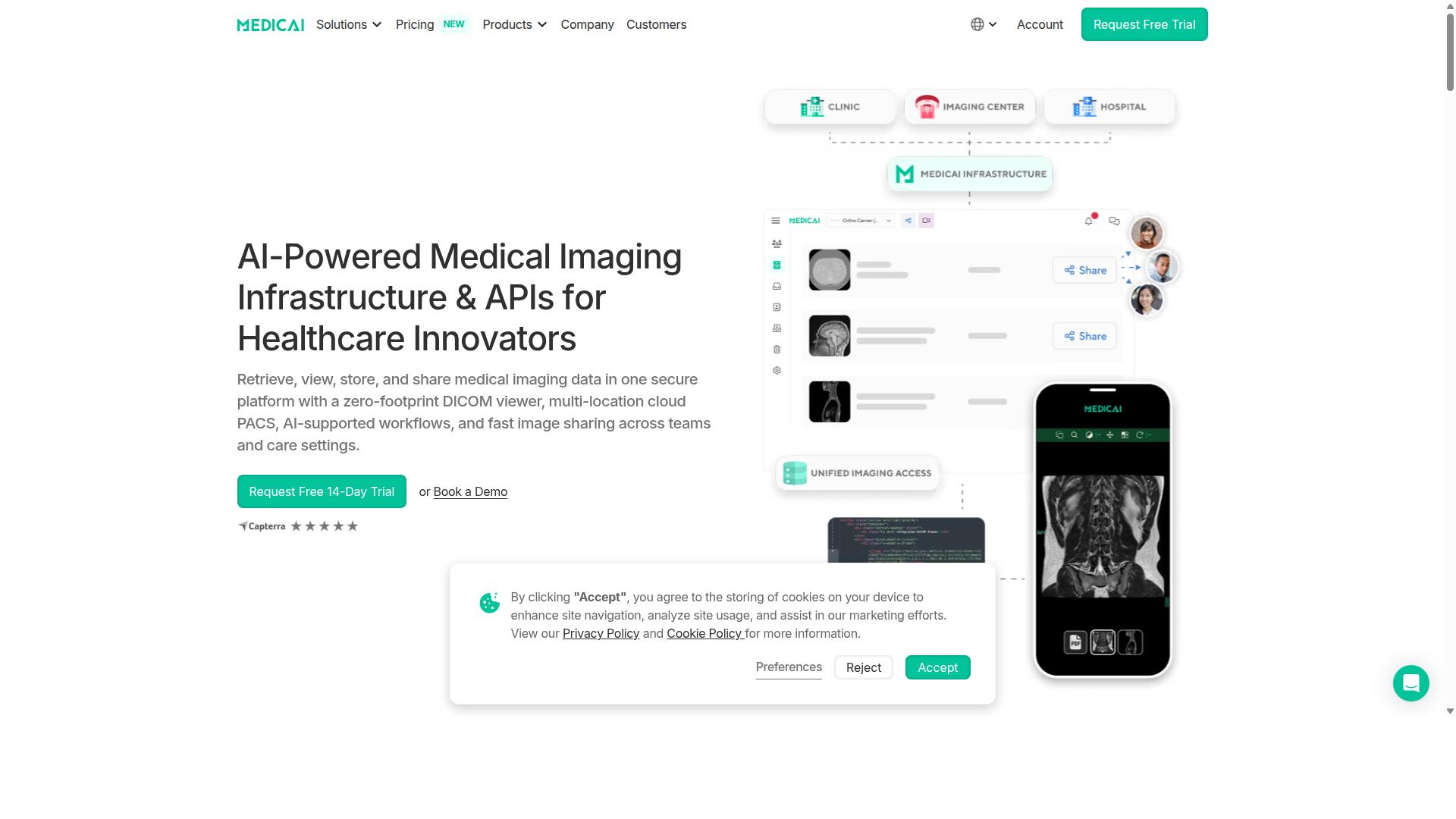
Medicai is a cloud-based medical imaging platform designed for healthcare providers worldwide. The platform brings together retrieval, viewing, storage, and sharing of medical imaging data within one secure environment.
Its zero-footprint DICOM viewer runs directly in any web browser without local installation. This design supports diagnostic imaging across desktops, laptops, and tablets with consistent image quality.
Medical teams can access the platform from multiple sites while maintaining the same workflow. The system functions as a multi-location cloud PACS that connects different care settings without extra hardware.
Medicai holds FDA and CEE clearance for its viewer and currently stores over 1.7 million studies. These clearances confirm the platform meets regulatory standards for diagnostic use.
Healthcare organizations use the platform to support radiology workflow, teleradiology, and image sharing between referring physicians. The cloud architecture allows secure viewing from any location with standard internet access.
What Is ProtonPACS?
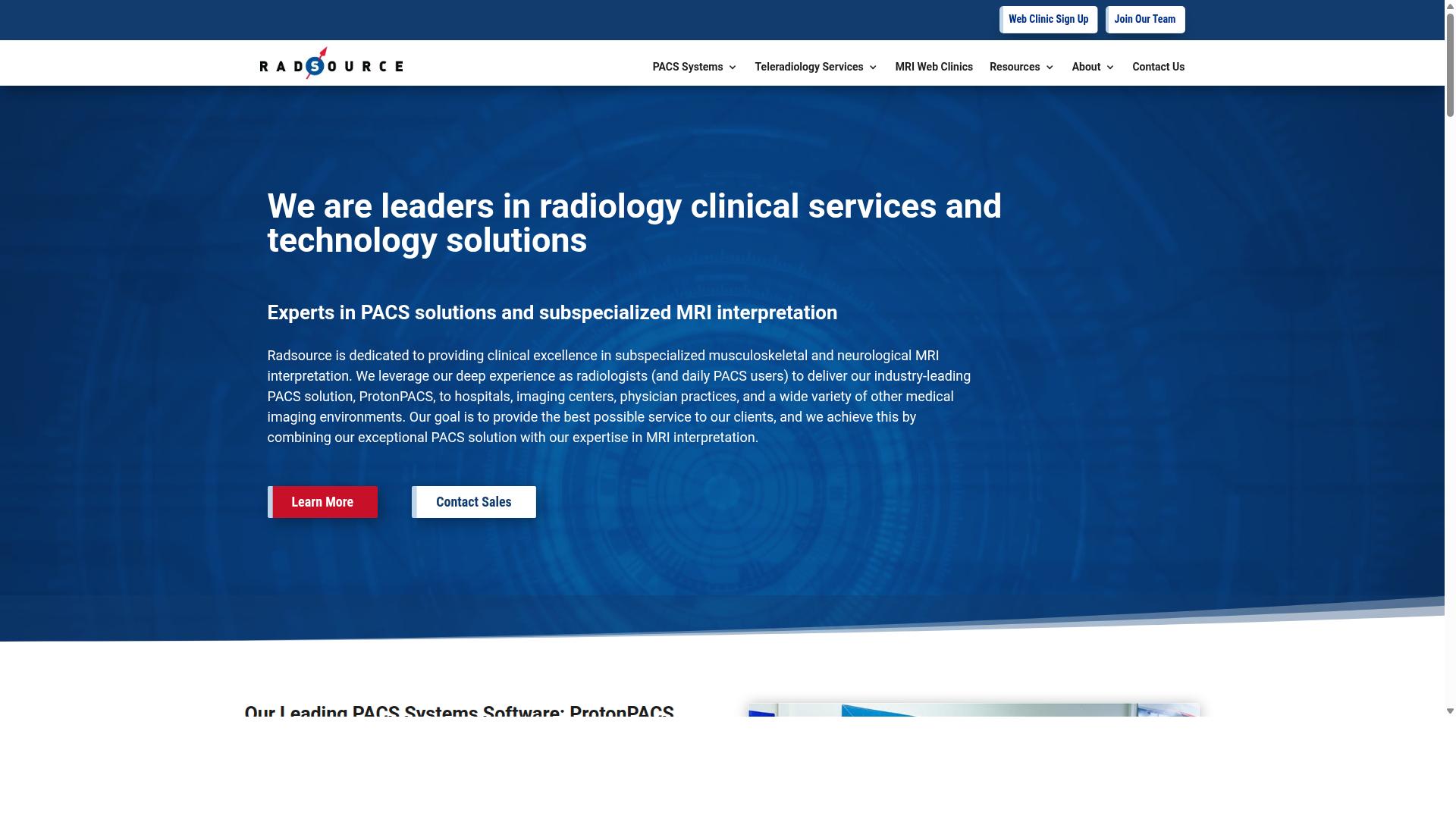
ProtonPACS is a radiology PACS solution that provides image archiving and distribution for diagnostic imaging centers. The system focuses on traditional deployment models including on-premise and hybrid environments. These setups support established radiology workflows and medical image archive requirements.
Traditional PACS platforms like ProtonPACS typically emphasize local server infrastructure and dedicated workstation access. This approach requires organizations to maintain hardware, manage updates, and handle system administration internally. The architecture serves facilities that prioritize direct control over their imaging data storage and processing.
Many healthcare organizations still rely on conventional PACS systems for their proven stability in high-volume imaging environments. These solutions handle multi-modality support and maintain diagnostic quality standards across various imaging modalities. Institutions with existing IT infrastructure often find traditional deployment models align with their operational preferences.
However, the shift toward zero-footprint diagnostic viewing has changed expectations for medical imaging software. Modern healthcare providers seek browser-based access that eliminates workstation dependencies and supports teleradiology workflows. This evolution creates new considerations when comparing ProtonPACS to cloud-based alternatives like Medicai.
What Is Medicai for Zero-Footprint Diagnostic Viewing?

Medicai's zero-footprint viewer delivers diagnostic quality imaging through any modern browser without software installation.
The platform provides secure viewing of multi-modality studies. Lossless compression preserves image detail while reducing transfer times.
Cross-platform compatibility supports Windows, Mac, iOS, and Android devices. This enables radiologists to access studies from any location with an internet connection.
Medicai supports DICOM Gateway and Medical Imaging Uploader for seamless study ingestion. The Cloud PACS handles storage while the DICOM Viewer renders images directly in the browser.
The system processes more than one million studies annually. This volume demonstrates reliable performance for high-demand clinical environments.
Features include structured reporting capabilities and patient case management. The Doctor Imaging Portal and Patient Imaging Portal provide role-based access for different user types.
Additional tools support teleradiology workflows and tumor board collaboration. Medical image exchange enables secure sharing with referring physicians and external facilities.
AI-Powered Diagnostics and Radiology AI Co-Pilot integrate into the viewing environment. These capabilities assist radiologists during interpretation without requiring separate platforms.
Backup and Disaster Recovery features protect data integrity. The Vendor Neutral Archive ensures long-term storage compliance with healthcare regulations.
Features Compared
The Features Compared section examines key technical and workflow differences between ProtonPACS and Medicai.
Zero-footprint capabilities determine how quickly radiologists can access studies across locations. Cloud architecture affects storage scalability and user access patterns. AI integrations shape how efficiently diagnostic workflows process and analyze imaging data.
Zero-Footprint Viewer Performance
Medicai's zero-footprint viewer renders studies in-browser with lossless compression and 50M+ yearly API transactions.
Browser-based access supports measurement tools, image annotation, and mobile diagnostic viewing without additional software installation. This approach enables radiologists to review studies from any internet-connected device while maintaining diagnostic quality standards.
ProtonPACS typically requires dedicated workstations or plug-ins for full functionality. Such dependencies can limit flexibility when clinicians need immediate access outside controlled environments.
Cross-platform compatibility becomes essential for teleradiology practices that serve multiple facilities. Web-based radiology solutions reduce delays associated with workstation setup and maintenance requirements.
Cloud PACS & Multi-Location Access
Medicai provides cloud PACS with Vendor Neutral Archive and Medical Image Exchange supporting unlimited connected users.
The Starter plan includes 500 GB storage and unlimited user accounts at $249 per month. The Standard plan offers 2 TB storage and one connected location for $749 monthly with unlimited user accounts available.
ProtonPACS generally relies on local or hybrid setups that may require additional infrastructure investments. These configurations can create access barriers when multiple facilities need coordinated image distribution.
Medical image archive capabilities become critical for organizations managing growing study volumes. Cloud PACS solutions enable referring physician access without complex network configurations or on-premise hardware dependencies.
AI-Supported Workflows & Integrations
Medicai integrates with AI partners including Rayscape.ai and MD.ai for automated study analysis and workflow optimization.
Additional partnerships include Microsoft Azure, Amazon AWS, and OHIF to support radiology workflow and teleradiology operations. These connections help facilities incorporate AI tools into existing diagnostic imaging processes.
Enterprise imaging platforms benefit from modular integrations that adapt to specific clinical requirements. AI-supported workflows can prioritize urgent cases and streamline image sharing across care teams.
ProtonPACS documentation provides limited detail about current AI capabilities. Organizations seeking advanced analytics may need to evaluate third-party solutions separately when using traditional PACS systems.
Pricing Compared
Pricing Compared outlines Medicai's transparent monthly plans and ProtonPACS's general licensing model.
Medicai publishes clear monthly rates that make budgeting straightforward for radiology practices. Starter tier starts at $249 each month for 500 GB storage with unlimited user accounts and no connected locations.
Standard tier costs $749 per month and includes 2 TB storage plus one connected location. Enterprise options feature custom pricing for multiple sites and larger storage volumes.
Yearly billing reduces these rates by 15 percent, bringing Starter to $209 monthly and Standard to $639 monthly when paid annually.
ProtonPACS pricing remains undisclosed on public channels. Healthcare organizations must request custom quotes to understand total ownership costs for comparable cloud PACS services.
Additional setup fees apply for Medicai's DICOM Gateway at $1,000 one time per location. A 14-day trial of Starter features requires no credit card.
Per-study pricing options exist for enterprise customers who prefer usage-based billing over fixed monthly fees. This flexibility supports practices with variable imaging volumes.
Who Should Choose Medicai
Medicai suits healthcare providers seeking browser-based, HIPAA-compliant access to multi-site imaging data. Hospitals and imaging centers often manage studies across multiple locations. A cloud platform that eliminates local installations can simplify daily operations.
Specialty providers in orthopedics, neurology, oncology, radiology, cardiology, ophthalmology, ob-gyn, pulmonology, dentistry, and gastroenterology benefit from zero-footprint viewing. These teams need consistent diagnostic quality without relying on dedicated workstations. A web viewer supports both on-site and remote radiologists during routine shifts.
Virtual care providers, telemedicine platforms, and teleradiology services rely on secure image distribution for timely consultations. Medicai supports these workflows by delivering encrypted studies to any approved browser. Referring physicians gain access without installing software or managing updates.
Personal injury lawyers, tumor boards, and clinical trials require organized image archives that multiple stakeholders can review. Medicai provides a patient portal so individuals can view their own studies too. Medical education organizations use the same browser interface to share teaching files without extra infrastructure.
Who Should Choose ProtonPACS
ProtonPACS may appeal to imaging centers that prefer traditional on-premise or hybrid PACS deployments. Facilities already equipped with dedicated IT teams often choose this route because it aligns with their existing server management practices.
Organizations running large radiology groups typically maintain their own hardware for diagnostic imaging storage and access. This setup allows direct control over the medical image archive while supporting established radiology workstation environments.
Some health systems value the ability to keep image data within their own network boundaries. The approach provides predictable performance for high-volume reading environments where radiologists work from fixed locations.
ProtonPACS generally suits centers that already manage on-site servers and prefer this model over external hosting options. These facilities often have established IT protocols and prefer to maintain internal oversight of their enterprise imaging infrastructure.
Who Should Choose Medicai for Zero-Footprint Diagnostic Viewing
Medicai's zero-footprint viewer is ideal for referring physicians and multi-location teams needing instant, secure access from any device.
Teams that manage high volumes of imaging benefit from a system processing over 1 million studies annually. Browser-based access eliminates software installation delays. Clinicians can review studies without local workstation requirements.
Organizations handling sensitive patient data require HIPAA and GDPR compliance. Medical data encryption protects transmissions across networks. OWASP security guidelines further strengthen protection standards.
Teleradiology practices need reliable image distribution across geographic boundaries. A Microsoft Azure partnership supports consistent performance for remote radiologists. Cross-platform mobile diagnostic viewing enables review on tablets and smartphones when needed.
Patient portal sharing becomes straightforward when teams need to distribute imaging results. Referring physician access improves with instant availability of studies. The platform supports secure viewing without requiring recipients to install specialized software.
Global multidisciplinary tumor boards use this infrastructure to coordinate care across institutions. Ukrainian refugee patients have accessed cancer treatments through this connectivity. Image sharing capabilities enable specialists to collaborate regardless of location.
Clinics and hospitals already using the platform report streamlined radiology workflows. The system reduces diagnosis time, supporting faster treatment decisions. Multi-modality support handles various imaging formats within a single interface.
Providers comparing ProtonPACS against Medicai should evaluate deployment requirements. ProtonPACS may require local infrastructure depending on configuration. Medicai's architecture removes these dependencies entirely.
Enterprise imaging environments benefit from 2 million imaging studies already uploaded. The platform maintains diagnostic quality across different network conditions. Lossless compression preserves image fidelity during transmission.
Active doctors using the system exceed 10,000 across 70 clinics and hospitals. This adoption indicates proven reliability for zero-footprint diagnostic viewing. Teams seeking browser-based access without installation requirements find this approach practical.
Final Verdict
The Final Verdict weighs Medicai's zero-footprint capabilities and global accessibility against ProtonPACS's traditional deployment model. Browser-based access continues to reshape how radiologists and referring physicians interact with diagnostic imaging across institutions worldwide.
Facilities that process high volumes of studies benefit from systems designed for rapid image distribution. Medicai handles over 1M studies yearly with 300k+ visualizations completed in the last year alone. This scale demonstrates reliability for institutions requiring consistent performance.
Compliance and regulatory clearances matter when selecting platforms for sensitive medical data. Medicai maintains HIPAA and GDPR compliance while offering FDA and CEE cleared viewers. ProtonPACS deployments vary by institution, requiring separate verification for each regulatory requirement.
Global availability separates cloud solutions from traditional installations. Medicai supports 70 clinics and hospitals across multiple regions with 10,000+ active doctors using the platform. Microsoft Azure partnership ensures infrastructure reliability for international users.
Medical image archive capabilities extend beyond basic storage requirements. Medicai maintains 1.7M+ studies with 2M+ imaging studies uploaded overall. The platform supports 50M+ yearly API transactions for seamless integration with existing hospital systems.
Security standards influence platform selection for enterprise imaging deployments. Medicai follows OWASP security guidelines while ProtonPACS security depends on individual installation configurations. Cross-platform compatibility becomes essential when radiologists access studies from various devices and locations.
Research suggests that zero-footprint viewers reduce diagnosis time by 65 percent compared to traditional workstation setups. Browser-based access eliminates installation requirements while maintaining diagnostic quality across modalities. Multi-modality support ensures consistent image rendering regardless of study type or source equipment.
Image sharing capabilities determine how effectively institutions collaborate with external specialists. Medicai enables secure viewing and patient portal access without additional software requirements. Traditional PACS solutions may limit referring physician access to specific network locations or require dedicated workstations.
Cloud PACS platforms address teleradiology needs through web-based radiology interfaces. Medicai provides secure viewing capabilities that meet medical data encryption standards. ProtonPACS customers must evaluate whether their current deployment supports remote access without compromising performance or security protocols.
The evidence points toward browser-based diagnostic viewing as the practical choice for modern radiology workflows. Medicai's combination of scale, compliance, and global reach positions it as the stronger option for facilities prioritizing accessibility without sacrificing diagnostic quality.
Recommended Resources: